

Sachet Packaging Machines for Powders, Liquids & Granules
Find the right sachet packaging machine by product, sachet format and target output, then send your requirements on WhatsApp for a configuration and quotation.
Start here
Find machines by product type
Powder Sachet Packing Machines
How to choose a powder sachet packing machine: flowability, auger dosing, dust in the seal area and film, plus what to send us for a trial and quote.
Liquid & Paste Sachet Packing Machines
How to choose a liquid sachet packing machine for liquids and pastes: viscosity, particles, temperature, dripping, foaming, dosing method and cleaning.
Granule Sachet Packing Machines
Choose a granule sachet packing machine by particle size, flow and bulk density. Cup filling versus weighing, and what to send us for a quote.
Featured LINEVO configurations
Configurations from the LINEVO sachet catalog. Figures are catalog listings, not guaranteed performance: every value is confirmed for your product, film and sachet in the written quotation.
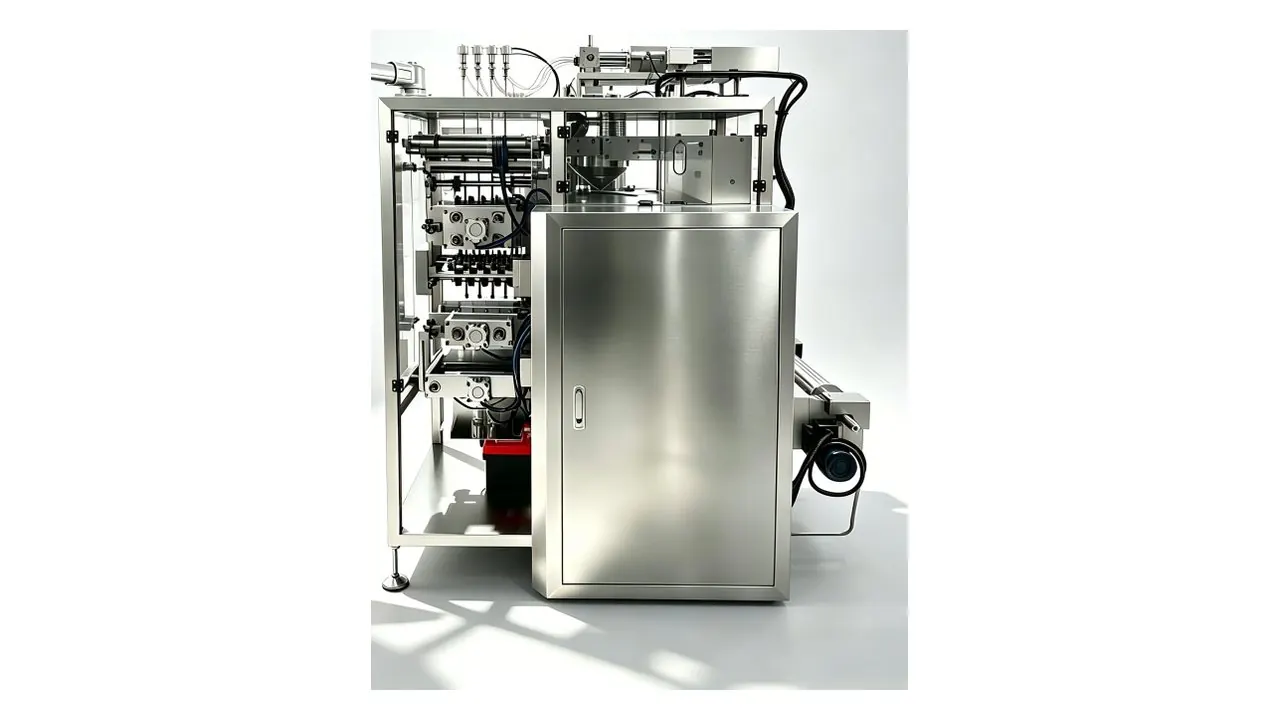
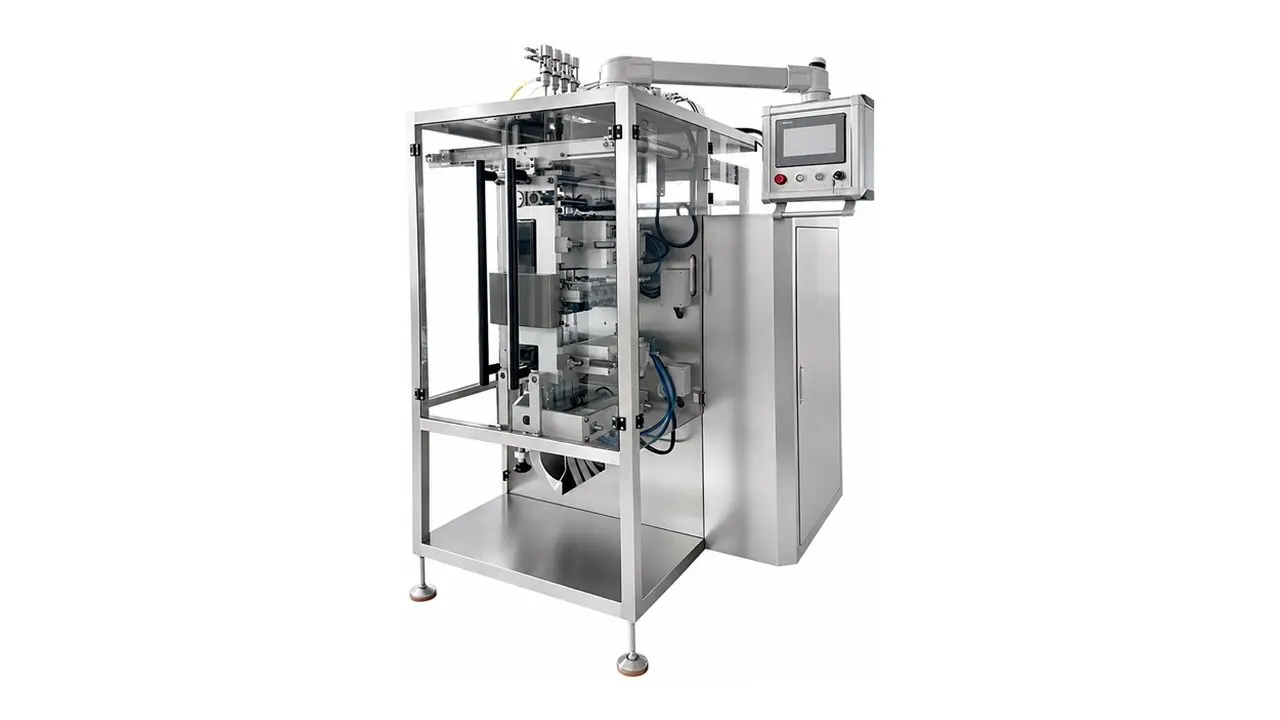
LV-400Y
Four-side seal sauce sachet machine
Listed products
Ketchup, tomato paste, chili sauce and other viscous liquids
Catalog listing
- Lanes
- 3 to 10
- Fill range
- 5 to 100 ml
- Sachet length
- 50 to 180 mm
- Sachet width
- 30 to 140 mm
- Film width
- up to 320 mm
- Dosing
- Piston pump with rotary valve, anti-drip
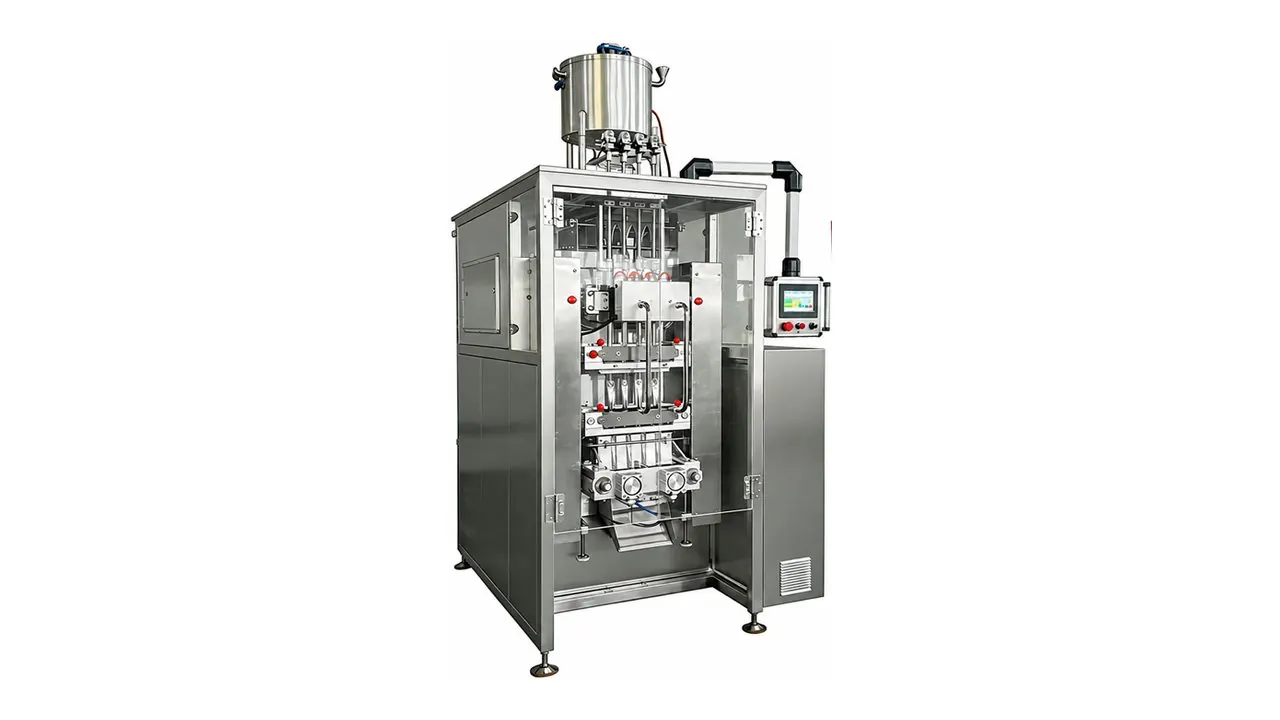
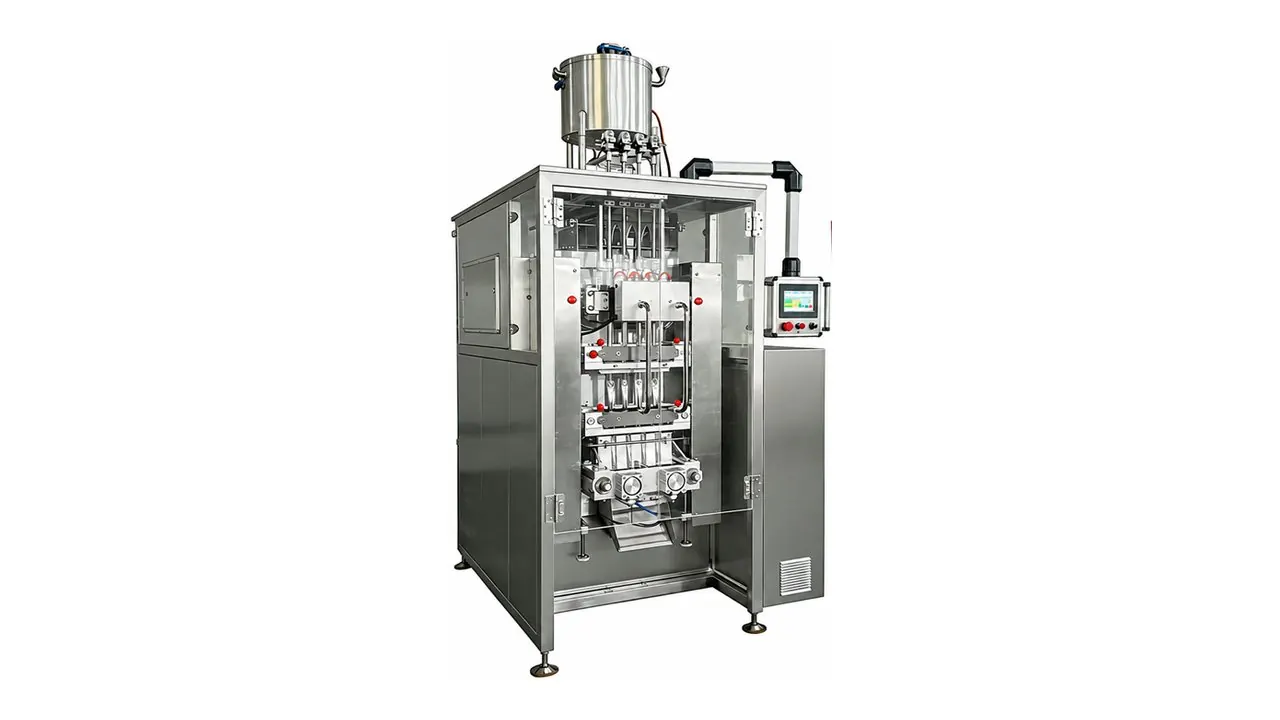
LV-350X
Four-side seal granule sachet machine
Listed products
Instant drink granules, herbal granules, sugar and seasoning packets
Catalog listing
- Fill range
- 1 to 50 g
- Sachet length
- 50 to 180 mm
- Sachet width
- 30 to 80 mm per lane
- Seal format
- Four-side seal
- Lanes
- Four lanes in one cycle (catalog description)
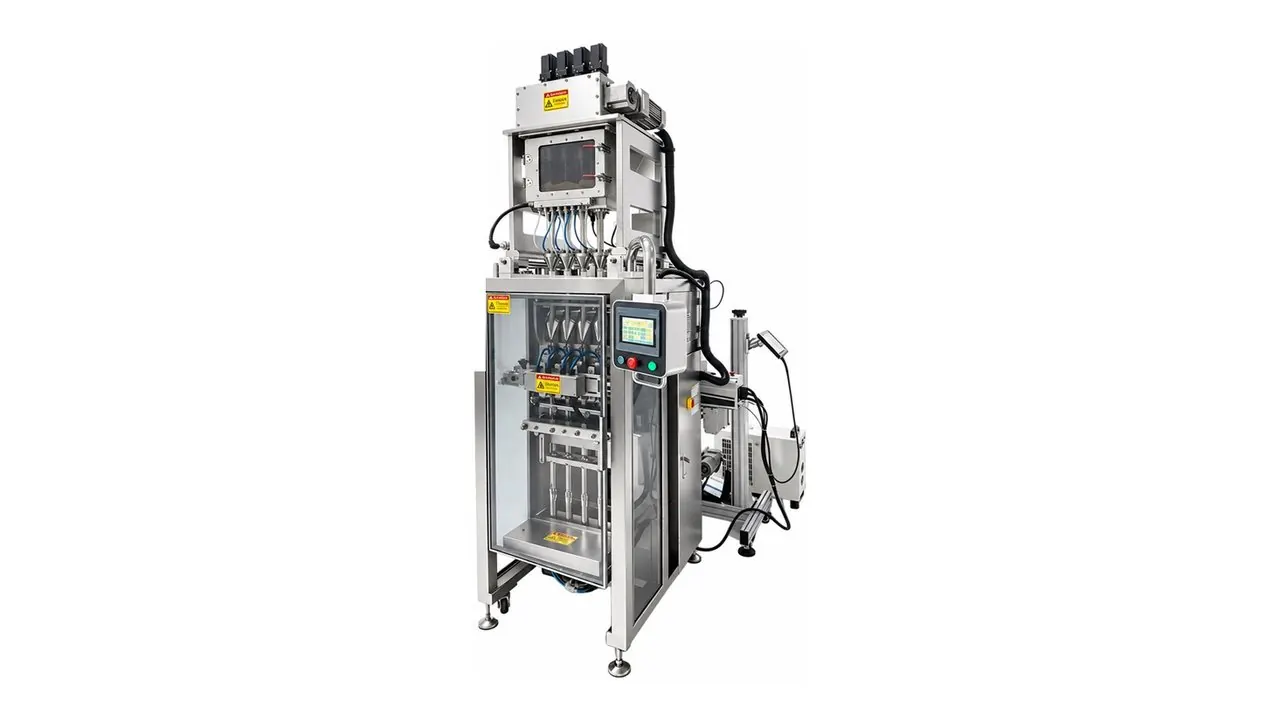
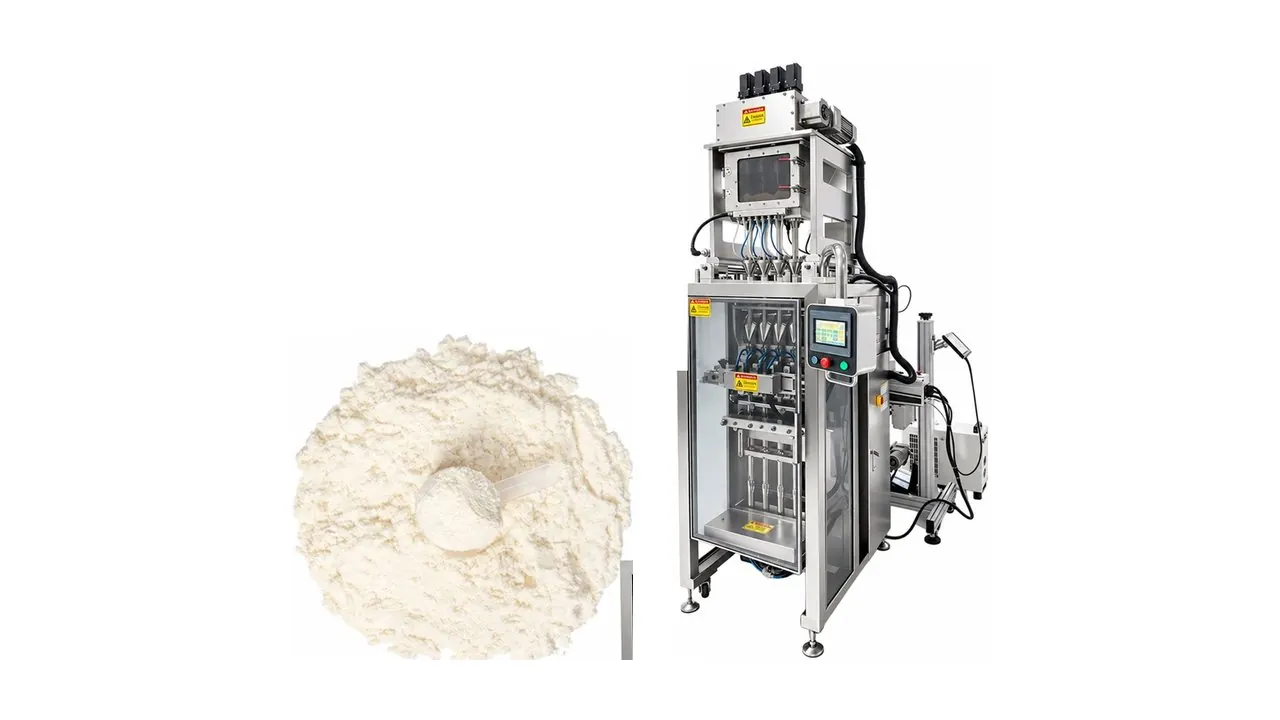
Multi-lane powder sachet machine
Servo auger filler, four-side seal
Listed products
Protein mixes, collagen and meal-replacement powders
Catalog listing
- Dosing
- Independent servo auger per lane
- Seal format
- Four-side seal, multi-lane
LINEVO publishes no reviewed ratings for this configuration; output, sachet range and utilities are confirmed in the quotation.
Product photographs: authorized catalog images shared by Dession, LINEVO's sister team in the same company. Original markings may appear.
A sachet packaging machine forms a flat sachet from film, fills it with a measured dose of product and seals it. Which machine you need depends first on what you are packing, then on the sachet format, then on the output you want. The sections below follow that order.
We are the LINEVO sachet packaging team. You send us your product and sachet requirements, we recommend a configuration, and the quotation puts the specification in writing.
What are you packing?
The product decides the dosing method, so start there. A machine built for free-flowing sugar is not automatically right for sticky sauce or fine, dusty powder.
- Powders: coffee mixes, milk powder, spices, protein blends. Fine powder can bridge in the hopper, throw dust into the seal area or pack at uneven density, so the dosing method matters. Our powder sachet machines page compares auger and cup dosing.
- Liquids and pastes: sauces, shampoo, honey, creams. Viscosity, stringing and trapped air affect both the dose and the seal. The liquid and paste sachet filling machine page covers this.
- Granules: sugar, salt, seasoning granules and other small free-flowing particles. Particle size and flow decide how even each dose is. See granule sachet packing for the dosing options.
If your product sits between two groups, such as a powder with oil or a paste with particles, say so when you write. Those borderline products are where a trial earns its keep.
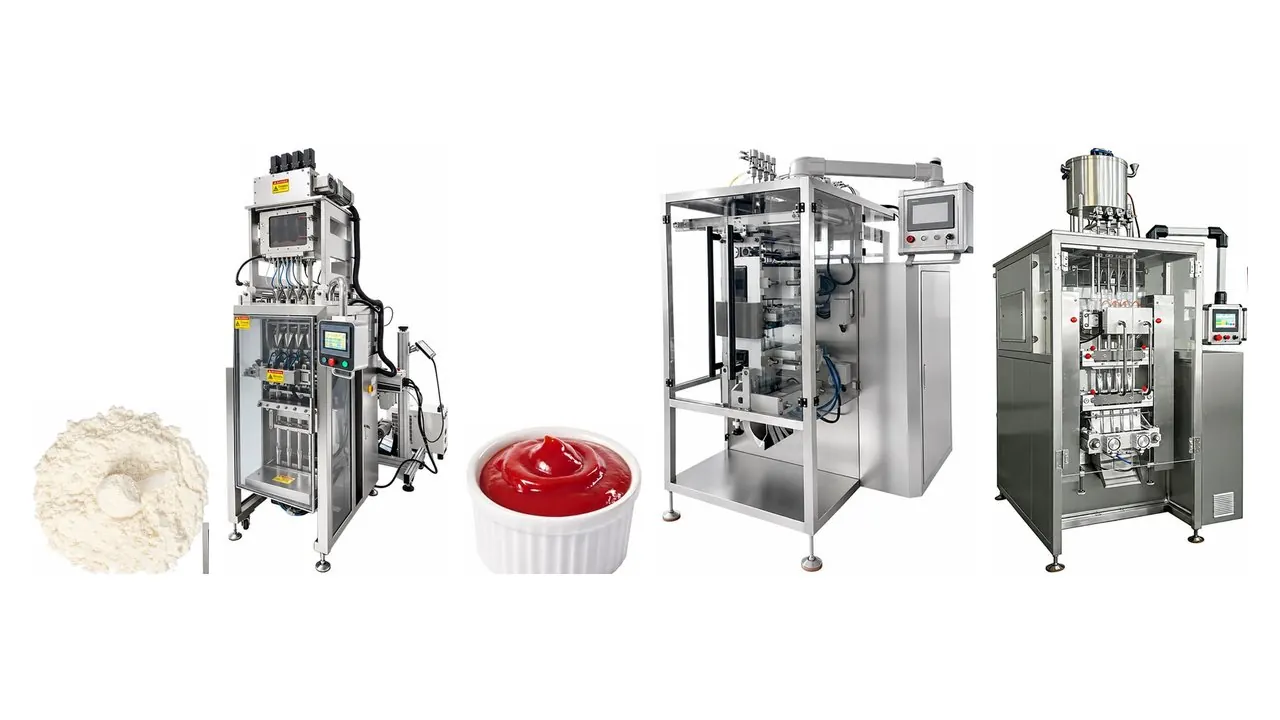
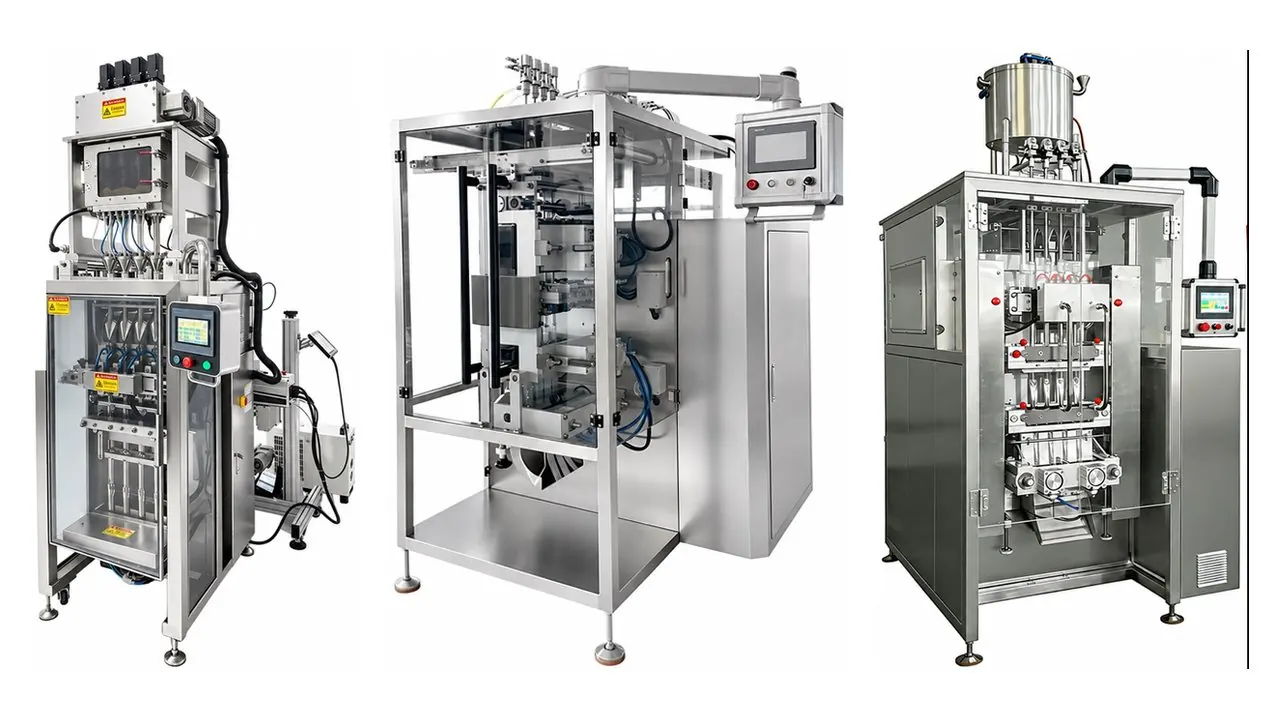
Photo: LINEVO catalog configurations for powder, liquid and granule products.
Choose your sachet format
This site covers flat sachets, in two common formats: 3-side seal and 4-side seal. A 4-side seal sachet is sealed all the way round, which is why buyers pick it for samples and single-serve products. The 4-side seal sachet machine page explains what that changes in the machine and the film.
Some buyers are really deciding between a flat sachet and a narrow stick pack. The sachet vs stick pack guide compares shape, use and tooling, so settle that before you ask for a quotation.
Photo: the LV-400Y, a four-side seal sachet configuration from the LINEVO catalog.
We do not cover premade stand-up pouches here. The machines on this site form the sachet from roll film.
Select the right configuration
A single-lane machine makes one sachet per cycle. A multi-lane sachet packaging machine makes several side by side in each cycle, so output goes up for small sachets without a faster cycle. How many lanes are practical depends on sachet width, film width, product and dosing system. Decide the sachet size first and the realistic lane count usually follows.
The planning arithmetic is simple: lanes multiplied by cycles per minute gives theoretical sachets per minute, if each lane makes one sachet per cycle. Six lanes at 50 cycles per minute gives 300 in theory. That is arithmetic, not a performance claim. Real output depends on the product, fill amount, film and sachet size. The guide to choosing a sachet packaging machine shows how to work backward from the output you need.
Product applications
Typical sachet projects are sauce and ketchup portions, coffee and drink mixes, sugar and sweetener, and shampoo or lotion samples. Each has its own problem. Oily sauce can foul the seal area, and static makes fine coffee powder cling to the seal jaws. The sachet applications pages go through sauce, coffee, sugar and shampoo one by one.
See the process and test your product
If the equipment is new to you, the guide to how sachet packaging machines work follows the film from the roll to the sealed, cut sachet. If you already know what you want, run your own product and film through a sample test. Dosing, sealing and lane count then rest on your material, and not on a guess about something similar.
Price, selection and support
Price moves with the product and dosing type, the number of lanes, the sachet format, options and delivery terms. We do not publish fixed prices without a configuration behind them. The sachet packaging machine price page explains what drives the cost and what to prepare before you ask. To send details now, message us on WhatsApp.
Questions about sachet packaging machines
What is the difference between a sachet packing machine and a sachet filling machine?
The terms overlap. A sachet filling machine is usually the whole unit that forms, doses, fills and seals. A sachet packing machine can mean the same unit, or just the packing stage of a larger line. When you write to us, give the product, fill amount and sachet size, and we will match the wording to the equipment.
What information do I need to get a recommendation?
The product and its form (powder, liquid, paste or granule), the fill amount per sachet, the sachet format and rough size, the film you plan to use, and your target output. Partial information is enough to start.
Can one machine handle powders and liquids?
Usually not without changing the dosing system, and the cleaning is different too. If two products need two configurations, we will tell you.
Do you promise a speed or filling accuracy?
No. Both depend on your product, film and sachet, so we do not quote a fixed figure before we have seen them.
Sachet packing by application
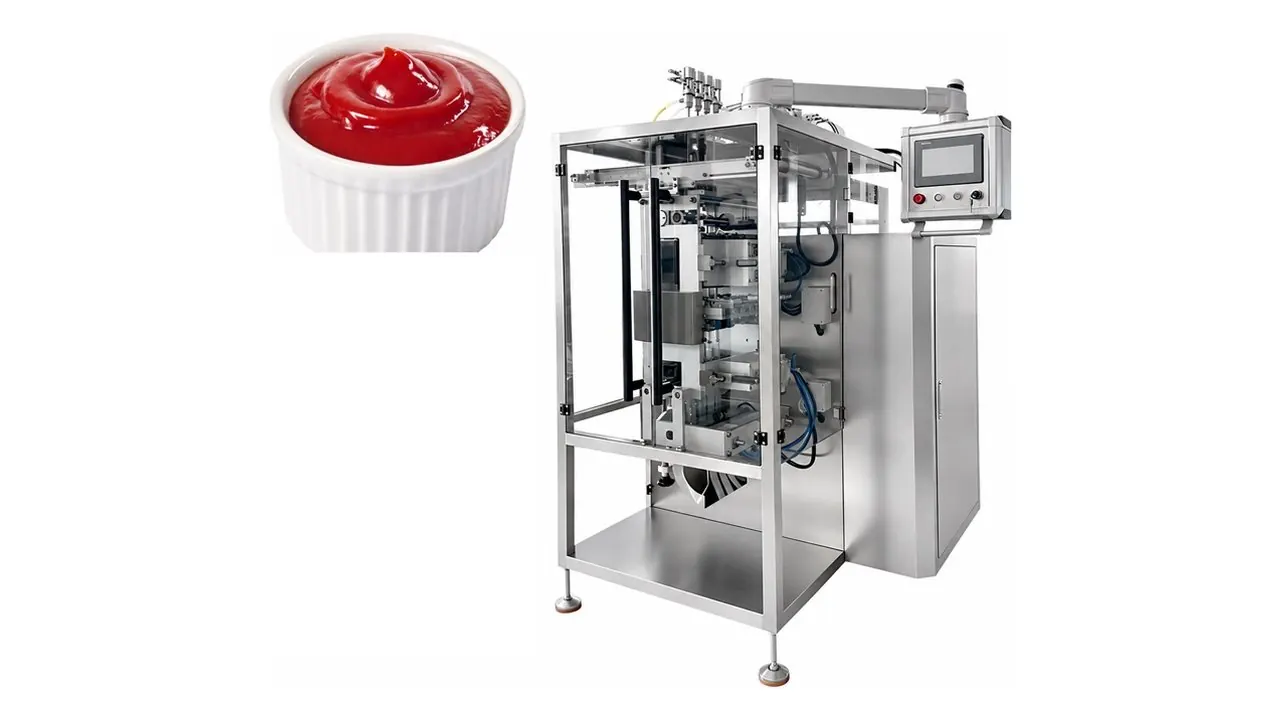
Sauce Sachet Packing Machines for Ketchup, Mustard & Condiments
Sauce sachet packing machine guidance for ketchup, mustard and condiments: viscosity, particles, portion size, dripping, seal contamination and trial checks.
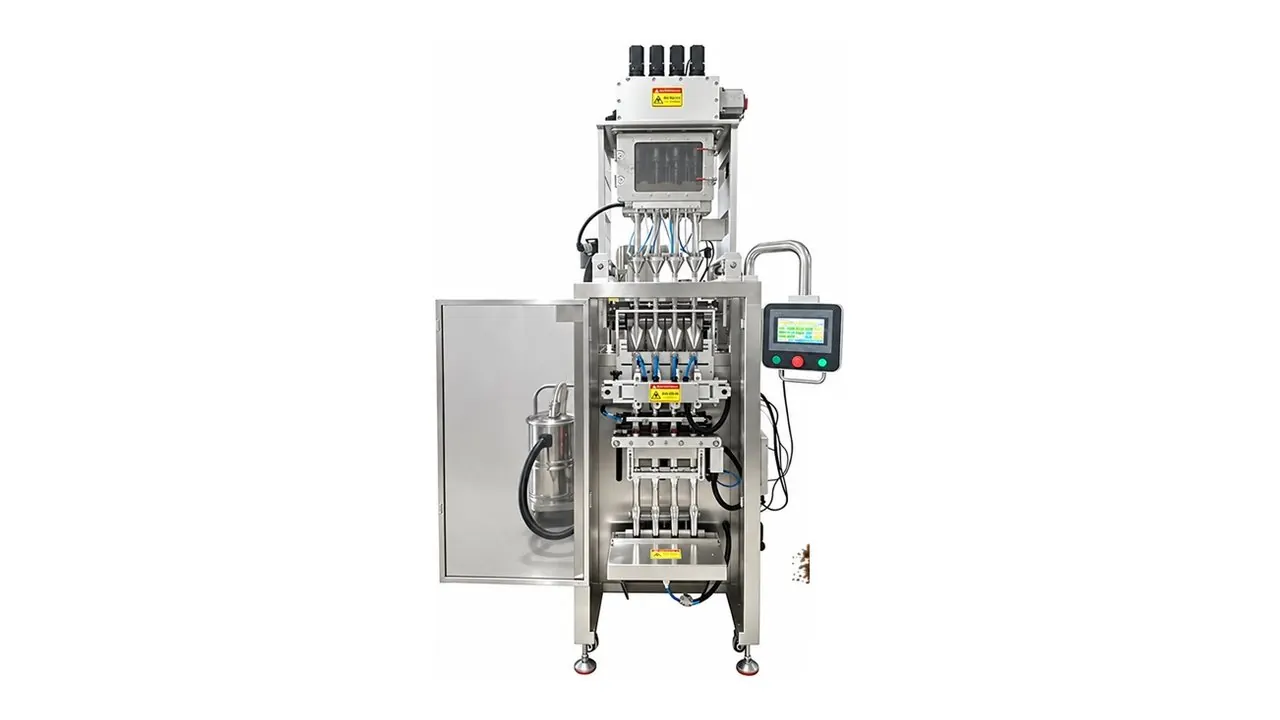
Coffee Sachet Packing Machines for Instant Coffee & Blends
Coffee sachet packing machine guidance for instant coffee and 2-in-1 or 3-in-1 mixes: segregation, moisture, barrier film and sachet format.
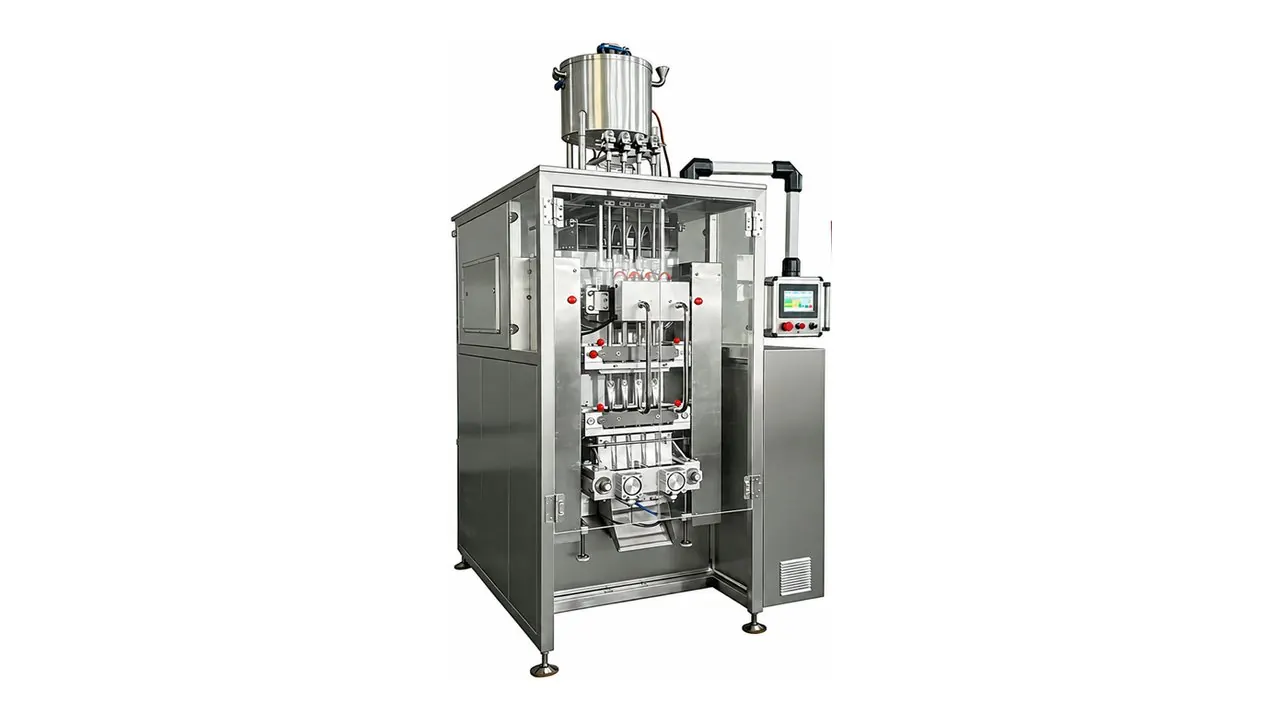
Sugar Sachet & Packet Packing Machines
Sugar sachet packing machine guidance: crystal flow, cup dosing, moisture caking, dust at seals, packet vs sachet wording, and when a stick pack is better.
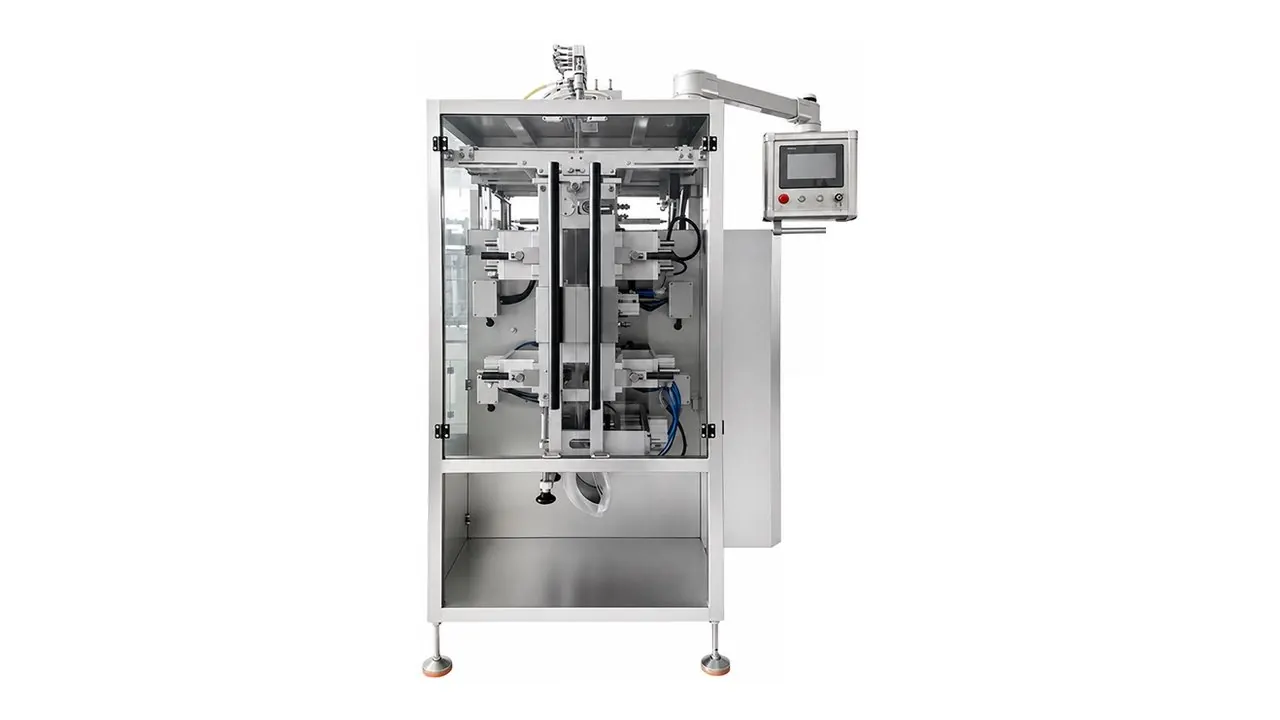
Shampoo Sachet Packing Machines
Shampoo sachet packing machine guidance: controlling foam, stringing and drips, cleaning between fragrances, print registration with eye-marks, and seal integrity.